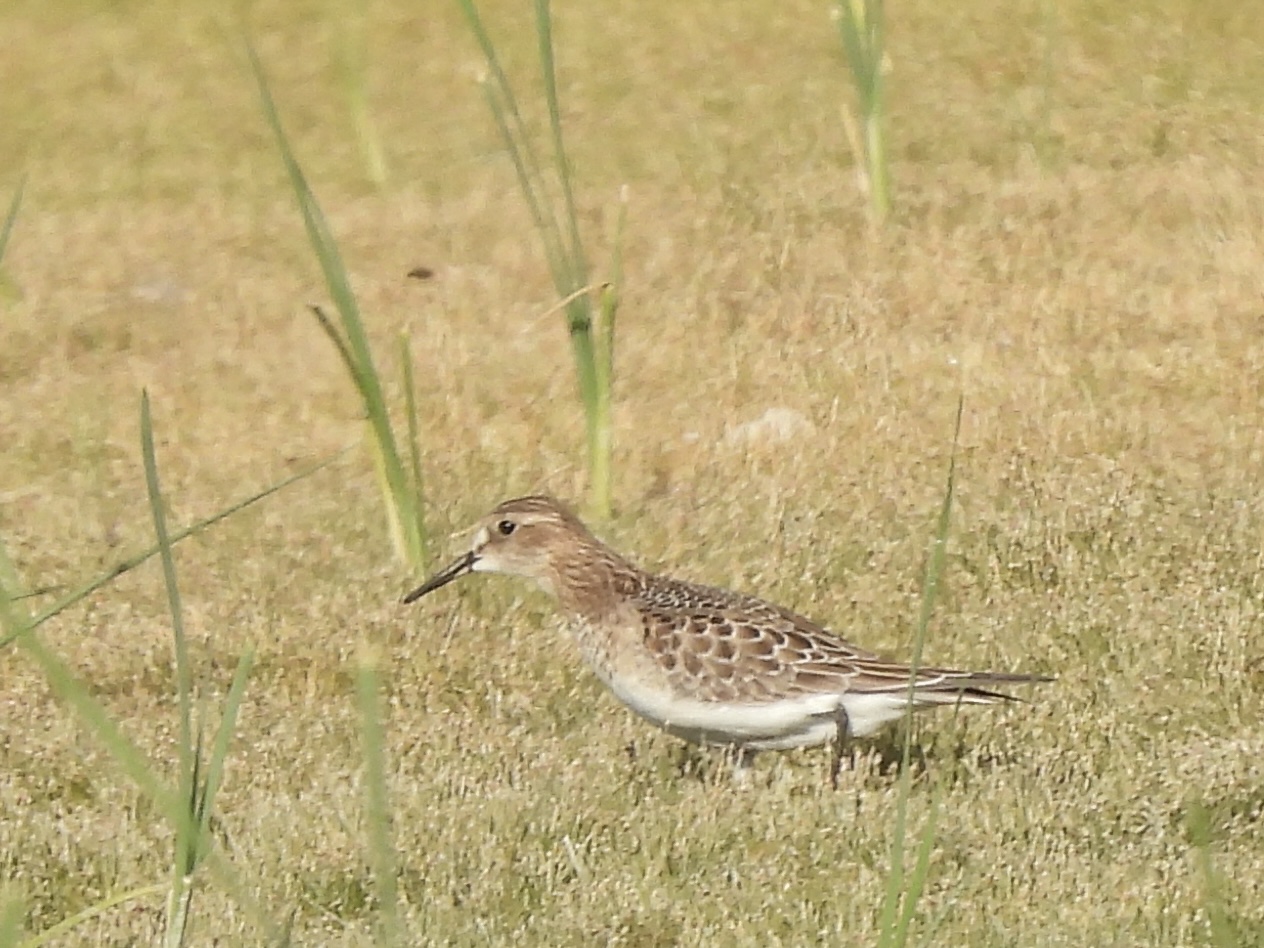
Today was World Shorebird Day. When most people think about Montana, or even think about birds in Montana, they do not likely think about shorebirds in Montana. But, in fact, Montana has a nice variety of shorebirds throughout the breeding and migration seasons.
So, at 7am, the middle daughter (TMD) and I joined a crew of ten other folks and headed off to an area at the southeast end of Canyon Ferry Lake to see what we would find.
Unlike coastal birders who have easy opportunity to see large flocks on ocean mudflats, birders in Montana experience shorebird migration through an interior lens. As I’ve written about before, our section of Montana serves as an essential stepping stone within the Central Flyway.
Our Central Flyway migrants rely on our often fluctuating water bodies stretching from Canada to Mexico. Lake Helena, Canyon Ferry, and the Helena Regulating Reservoir all serve as local stopover points for southbound shorebirds.
All of our shorebird hotspots, from our local pools to Benton Lake National Wildlife Refuge, Freezeout Lake, and other prairie potholes, are heavily dependent on precipitation cycles. Water levels can shift dramatically from year to year, transforming expected invertebrate-rich stopover areas into nearly dry sedgy flats more suited to flycatchers, warblers, and sparrows.
Our walking tour today spanned about a mile and a half, and most of it was on just such a sedgy flat. Over the last few years, the well-seasoned birders in the group have watched this former inaccessible mudflat transition to a decently walkable area.
Participating, as we did, using eBird allows Montana birders to contribute important localized data on population trends, timing, and habitat usage, which can help researchers as they examine the long-term trends in declining shorebird populations across North America.
In the end, TMD and I saw 66 species of birds between 7am and 7pm. The official count for the shorebird aspect of today’s effort was 52, with 7 of those species being shorebirds: 43 Killdeer, 12 White-faced Ibis, 9 Baird’s Sandpipers, 3 American Avocets, 5 Greater Yellowlegs, 1 Lesser Yellowlegs, and 1 Long-billed Dowitcher.
In addition, we saw several lovely Meadowhawks (a type of dragonfly), a Hawk Moth, three coyotes, a fox, a couple of new flowering plants, and 3 different Northern Leopard Frogs.
Today was a good day!


Leave a Reply