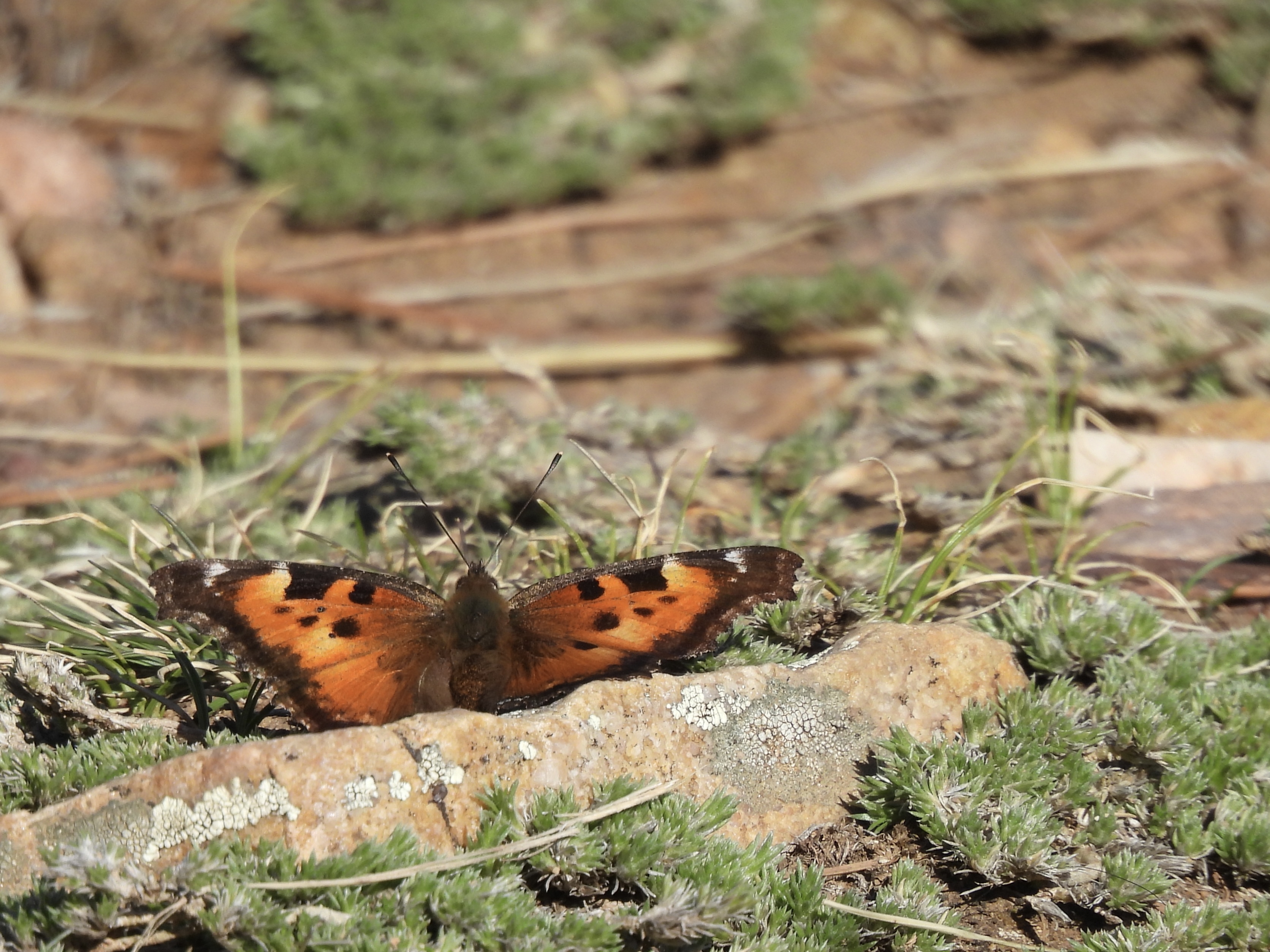
In our increasingly connected world, field science is no longer strictly in the realm of graduate students in our University System. All across Montana it happens every day in empty lots, along stream banks, and on the trails traversing our hills and valleys. This collaborative movement is called community science- a partnership where people observe and report tidbits of data the natural world to databases accessible by professional researchers.
From snapping a photo on a hike to keeping a detailed birding log, community science turns everyday curiosity into data. This stockpile of data is important for two simple reasons: we are living through rapid environmental change, and research budgets are being squeezed nationwide. Having thousands of new data points weekly, and being able to access it freely is a boon to environmental biologists.
The volume of data needed to track shifting bird migrations or invasive species far outpaces the capacity of professionals alone. Community science provides “eyes on the ground” at a geographic scale previously thought impossible. By participating, Montanans become active field assistants and stewards, fostering a sense of community that benefits the state and, through global data apps, the wider world.
While traditional research often relies on expensive, specialized equipment, a new wave of consumer devices is democratizing data collection. These tools allow you to turn your home into a mini-research station:
* PurpleAir (Air Quality): These low-cost laser counters measure fine particulate matter (down to 2.5 micrometers) in real-time. By installing one on your porch, you join a global network so reliable that the EPA and Google use it to supplement official monitors.
* Tempest Weather Stations: Using sonic anemometers with no moving parts, these stations measure wind, rain, and solar radiation, instantly uploading data to a crowdsourced “mesonet” thousands of stations strong.
* BirdWeather Pods: These AI-equipped microphones identify species by their songs, creating a real-time sound library that helps researchers track migration patterns.
Beyond this hardware, apps like eBird and iNaturalist allow scientists to visualize real-world trends at an unprecedented scale.
Don’t let the fear of a “wrong” ID keep your observations to yourself. Most community science platforms are built with internal safety nets—expert reviewers and high-level AI filters that verify every submission before it hits the official record. In the world of biological data, a misidentified photo is a simple correction, but a missed sighting of a rare species or an early-season arrival is a lost opportunity that can never be recovered. It is far more valuable to provide a data point that requires a quick tweak than to leave a critical piece of the ecological puzzle unrecorded.
If you want to contribute but don’t know where to start, I’m beginning to build out MontanaNatureNetwork.com- a website that can serve as your digital basecamp. There are plenty of opportunities- like the Montana Bumble Bee Atlas, the Community Botany Program, and Project Archaeology- just name a few.
You can also find Naturalist courses through the Montana Natural History Center, Yellowstone Forever, or Colorado State University’s online Rocky Mountain Naturalist program. I supported a Milkweed research project last fall by collecting just ready to open seed pods and sending them to their lab for genetic study. And I did while walking the Labrador.
The pandemic brought a surge of people back to nature, and hobbies like birding are booming. This rise in community-led research arrives at a critical time. As federal research budgets face uncertainty, the traditional model of large-scale, government-funded projects is under pressure.
Community science provides a freely available data stream that saves researchers time and money. By leveraging volunteers, projects can maintain long-term datasets that might otherwise be shuttered. This is not a fully “free” replacement- professional oversight still requires resources. But it creates a highly efficient model where limited funds go much further. In a climate of declining federal support, this crowdsourcing ensures that Montana’s conservation efforts don’t go dark.
Science is better when we do it together. Whether you have five minutes to photograph a wildflower and upload it to iNaturalist, a weekend to count raptors in the Belts or Bridgers, or a sensor on your porch, like so many things these days, your participation matters.
Leave a Reply