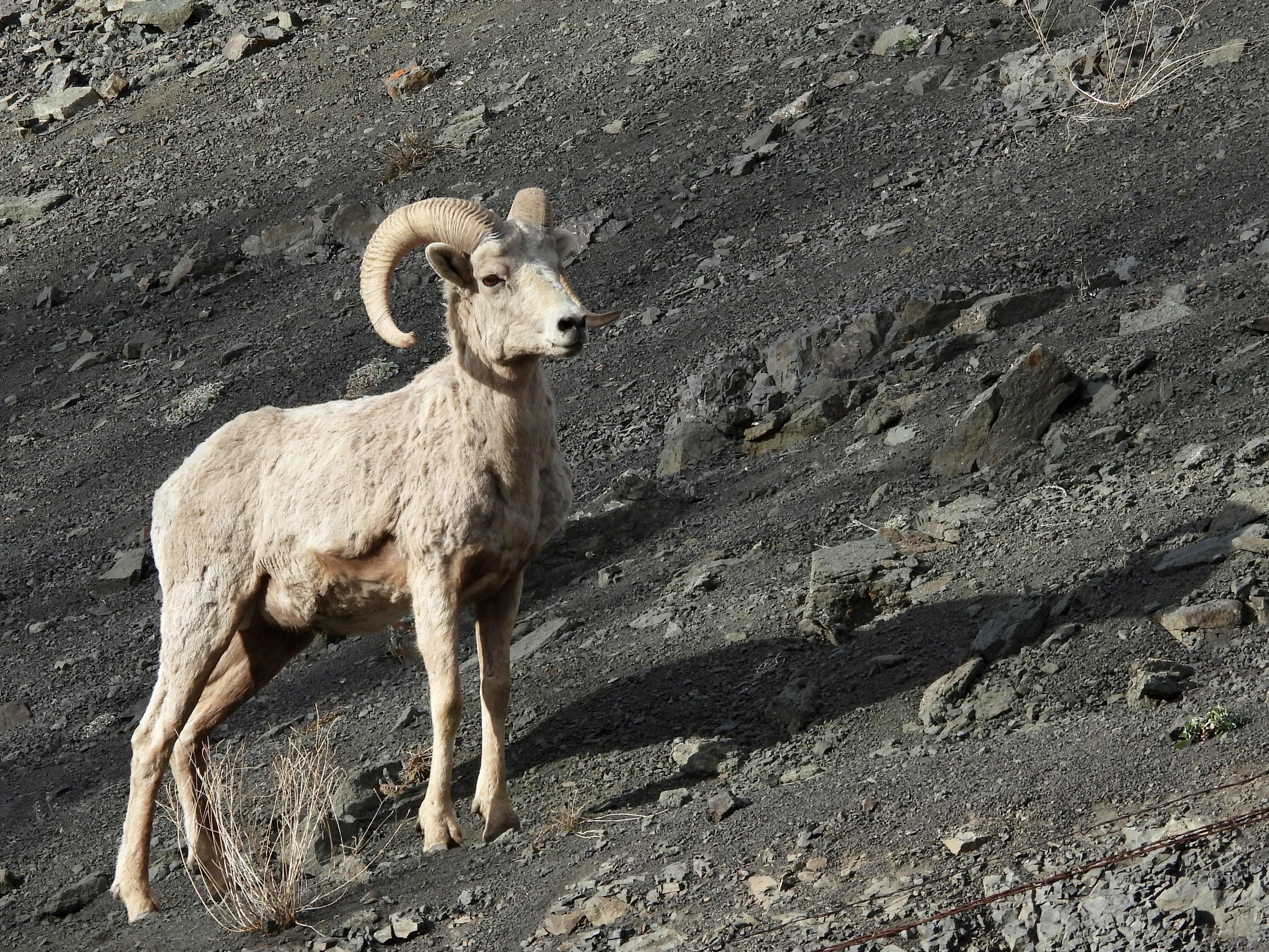
Living in Montana isn’t just about having a scenic backdrop for your life; it’s about a fundamental shift in how you navigate the world. When the boundary between your doorstep and the wilderness thins – in, for instance, a place like Helena, where a 100-mile trail system serves as our collective backyard, and Freezout Lake is just 90 minutes away – life takes on a different cadence. Here, proximity to nature offers a kind of wealth that a bank account simply can’t track.
In Montana, the landscape demands your attention through phenology – the rhythmic, biological response to changing light and temperature. Living here means your internal clock begins to sync with the terrain, the changing bird species, and which wildflowers are blooming. You don’t just look at a calendar; you look as you walk the trails and you know- the seasons are changing.
If you are open to it, our proximity to nature fosters a rare kind of mindfulness. It is difficult to obsess over a cluttered inbox or work deadlines when you are searching for the first Pasqueflower or Sagebrush Buttercup in late March/early April. This immersion in nature (Shinrin Yoku, etc.) allows our daily cognitive filters to rest. In Montana, if we choose to engage in it, this doesn’t need to be just a weekend treat; it can be a daily dose of nature therapy.
For those of us tuned into the local local “Trophic” web, spring isn’t a date—it’s a series of sights, sounds, and smells. It begins with the arrival of the avant garde; the trails get sort in the afternoon sun and begin to smell of good earth and organic material, plants begin to push up through the until-recently frozen ground, woodpeckers begin to drum; Snow Geese honk overhead as they move northward, and Sandhill Cranes return to valley with loud exclamations.
Mountain Bluebirds are often the first true flash of color on a Ponderosa Pine, a cobalt blast after a long grey stretch. Soon after, the hills and valleys in Lewis & Clark begin to come alive.
Just this year, in a location as mundane as the L&C County Fairgrounds, the late winter weather changes brought a rare simultaneous sighting of all five native goose species – Canada, Cackling, Snow, Ross’s, and Greater White-fronte – reminding us that Helena is a vital waypoint in a transcontinental journey for a lot of birds.
As the birds reclaim the sky, so too does the ground begin its own slow-motion species rich explosion. The phenological progression of Montana wildflowers is a masterclass in resilience and timing.
* Early Spring: The Mountain Douglasia and Pasqueflowers lead the charge, followed closely by the phlox, the yellow blossoms of Sagebrush Buttercups, and Townsend’s Daisy, and the first purple of the year, Wyoming Kittentails.
* Mid-Spring: The hillsides transform as Arrowleaf Balsamroot spreads its broad leaves and golden petals, typically accompanied by the delicate, nodding heads of Shooting Stars, Yellowbells, a variety of violets, Little Larkspur and so much more.
* The Peak: By mid- to late-May, the Bitterroots, Sugarbowls, Western Blue Iris, and a hundred other flowering plants begin to grace our rocky soil, a testament to beauty thriving in seemingly inhospitable conditions.
When you live this close to the dirt, you recognize that these blooms are the producers in our local trophic levels, feeding the pollinators and kickstarting the entire seasonal natural economy of the mountain.
We live in an era of “sensory fog.” Constant notifications and uninterrupted screentime create a baseline of stress we often don’t notice until it’s gone. If you allow yourself the luxury of walking in nature sans earbuds and ignoring your phone, Montana offers one of the rarest luxuries in the 21st century: true silence but for the sounds of nature.
There is a quality to the air during the spring – a crispness that feels like it’s clearing your mind and lungs. When you can find a walk five minutes from your home and reach a point shortly thereafter where the only sound is the wind through the pines or the distant croak of a Raven or the trill of a Western Meadowlark, I think your nervous system undergoes a beneficial recalibration.
Finally, living close to nature in Montana connects you to a community that shares a common denominator: respect for the land. There is a silent pact among neighbors here. Whether it’s advocating for public land conservation, voulunterring time to maintain our trail networks, or supporting local 501(c)(3)s that protect our wild spaces, the environment lives large in our lives.
This shared stewardship creates a social fabric woven together by the challenges and beauties of the landscape. You aren’t just a resident; you are a participant in a living natural history.
Living in Montana challenges you to be more resilient, quieter, and more observant. It’s a reminder that we are not separate from the world around us, but a part of its intricate, trophic dance.


Leave a Reply