Watchable Wildlife could be a great gift to Montana
In Montana, our collective identity is connected to the landscape. For generations, that identity has been defined largely by the “hook and bullet” traditions of hunting and fishing. While those roots run deep and remain vital, a new frontier of conservation and connection is emerging.
Watchable Wildlife.
Simply put, this practice is the intentional, quieter observation of animals in their natural element. If all of the articles that keep popping up on my news feed are to be believed, it is far more than a weekend hobby for the binocular-toting few. It is a massive economic and ecological engine, and it’s time to recognize it as such.
While our various hunting seasons stretch from late summer, though the fall, and even into late winter for some districts. The wildlife watcher is a year-round traveler. Nationally, wildlife watching contributes billions to the economy. In Montana, I suspect that its impact is felt most acutely in our rural corridors, but we don’t curenttly do as much as we could to promote it.
When a traveler stops in Choteau or Fairfield after witnessing the chaotic beauty of 20,000 snow geese at Freezout Lake, or detours through the Shield Valley in hopes of spotting a badger or bear, they aren’t just looking at animals; they are fueling a local ecosystem of commerce.
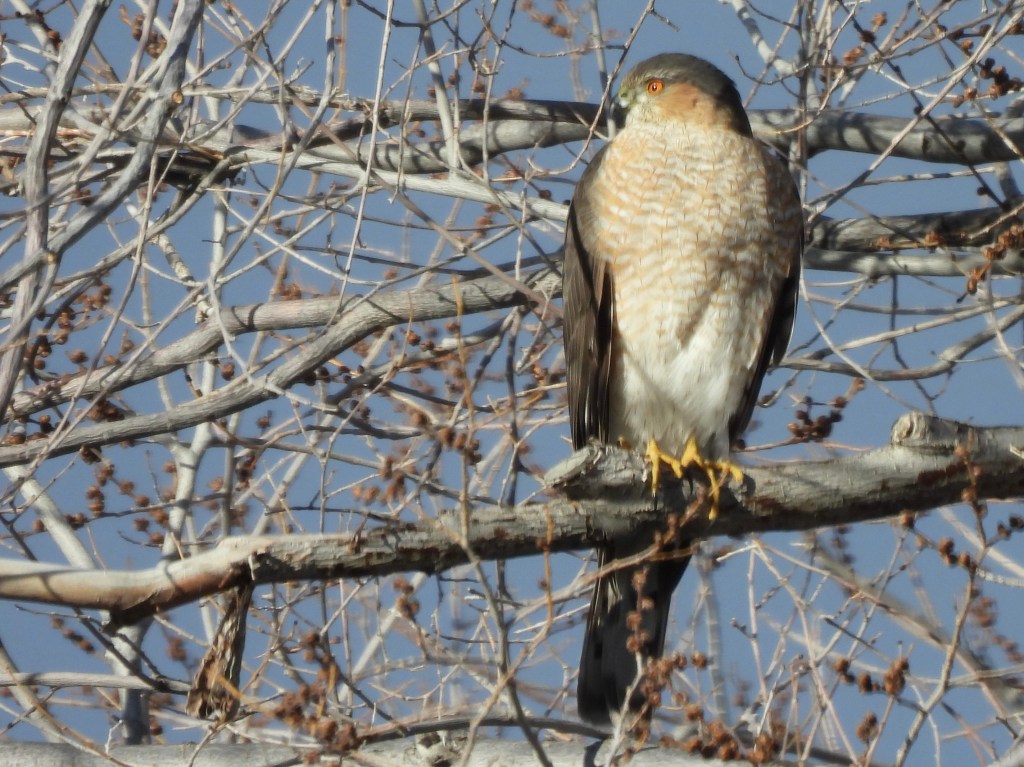
They occupy hotel rooms, or at least buy gas and food, during the non-hunting seasons. They invest in optics and other gear from local shops, and fill the booths of rural cafes that might otherwise sit empty. This non-consumptive use of wildlife should be promoted to help create a steady, sustainable stream of revenue that supports small-town infrastructure without depleting the resource itself. It turns the presence of migrating Sandhill Cranes or a colony of Burrowing Owls into a literal lifeline for Montana small businesses. And a resource worth protecting.
As anyone who has spent any time in cold, windy conditions hoping to see an animal knows, the value of this resource goes much deeper than the bottom line. For the person watching a Great Gray Owl through a lens or standing in awe of the migration stopover of 20,000 white geese and swans, the “catch” isn’t something brought home in a cooler.
The catch is being present and in the moment. It is finding yourself in nature. Reminding yourself that we are all part of a natural world that is constantly in motion. Our world is increasingly digital, frantic, and disconnected, Montana offers one of the few remaining places in the lower 48 where a human being can engage with a landscape that is reasonably healthy and whole.
This engagement is a form of quiet medicine practices in many cultire and over many, many generations. When we sit silently and watch for a moose in the willows, we aren’t just passing time; we are practicing a form of mindfulness that only the wild can provide. We are finding ourselves by losing ourselves in the observation of something truly wild.
This engagement fosters a unique and powerful kind of stewardship. When we watch wildlife, we aren’t just passive observers; we become witnesses to nature in action. We learn to appreciate nature as a resource to be protected.
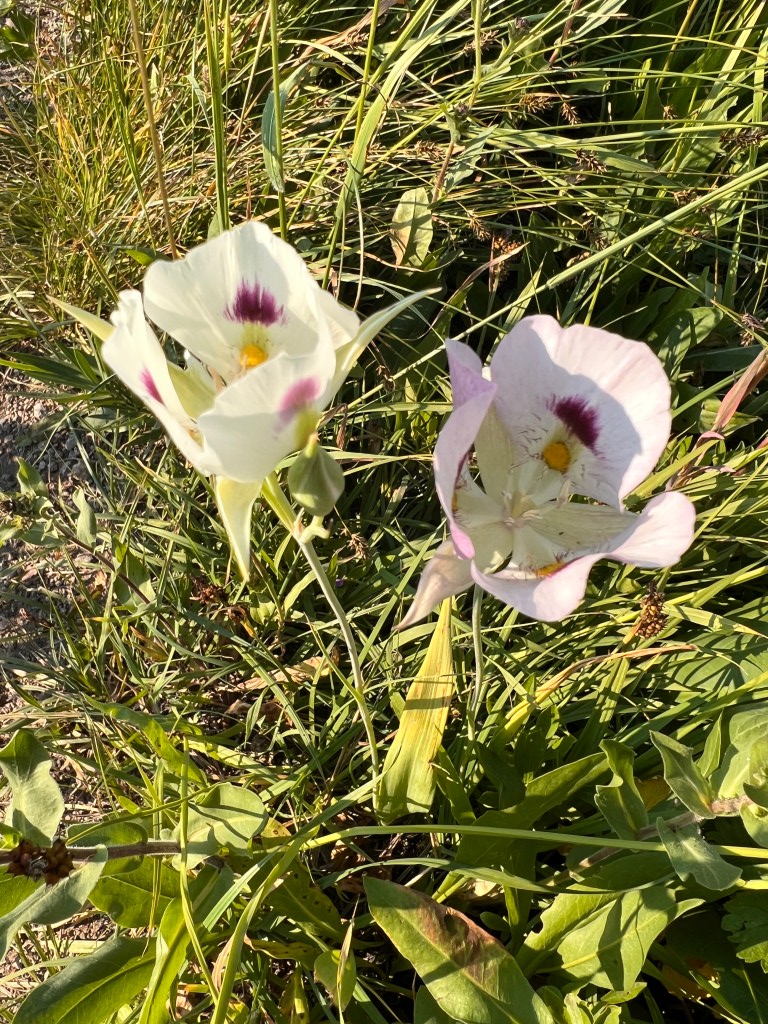
Just as a fisherman knows that protecting the water is the only way to keep the fish biting, the modern naturalist knows that protecting the wild corridors of the state is the only way to keep the birds singing, wildflowers blooming, and butterflies flitting.
I think we should reconstitute Montana’s watchable wildlife program as one of the pillars of Montana’s conservation model. We need to work towards inviting a broader demographic – hikers, photographers, families, and retirees – into the fold of those who are willing to pay for and protect habitat. It creates a bigger tent for conservation.
Nobody likes payments in leiu of taxes, but I think a voluntary Naturalist tag should be sold along side the standard hunting tags. I contribute to the wildlife program every year when I do my state taxes and I purchase my Conservation License as well. I would happily pay a little more to protect the places that allow me enjoy the places that connect me to our shared collective outdoor identity.
Whether you are out to “catch” a native cutthroat or “catch” a glimpse of a Mountain Goat in the Big Belts, we are all after the same thing: a Montana that remains wild, vibrant, and accessible.
By investing in watchable wildlife – through better viewing pullouts, educational programs, and corridor protection – we aren’t just protecting animals; we are protecting Montana’s soul. We are ensuring that the next generation can still find that same sense of wonder, standing under a big sky, witnessing a world that is still, thankfully, wild.
 Nature, every day.
Leave a Reply