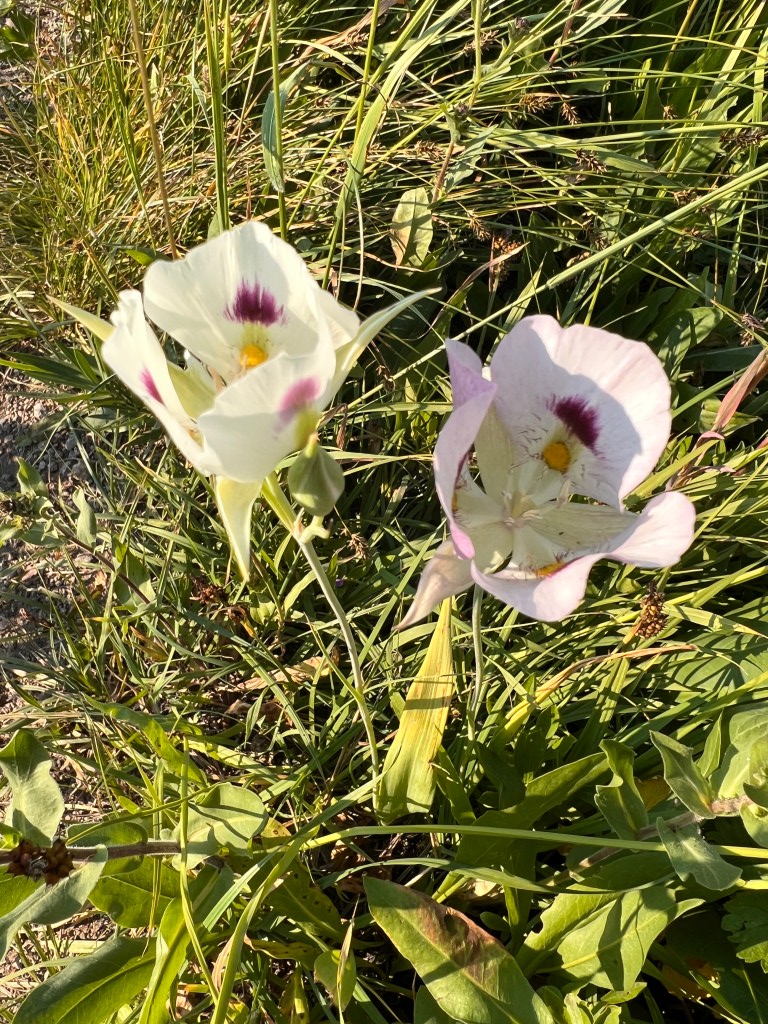
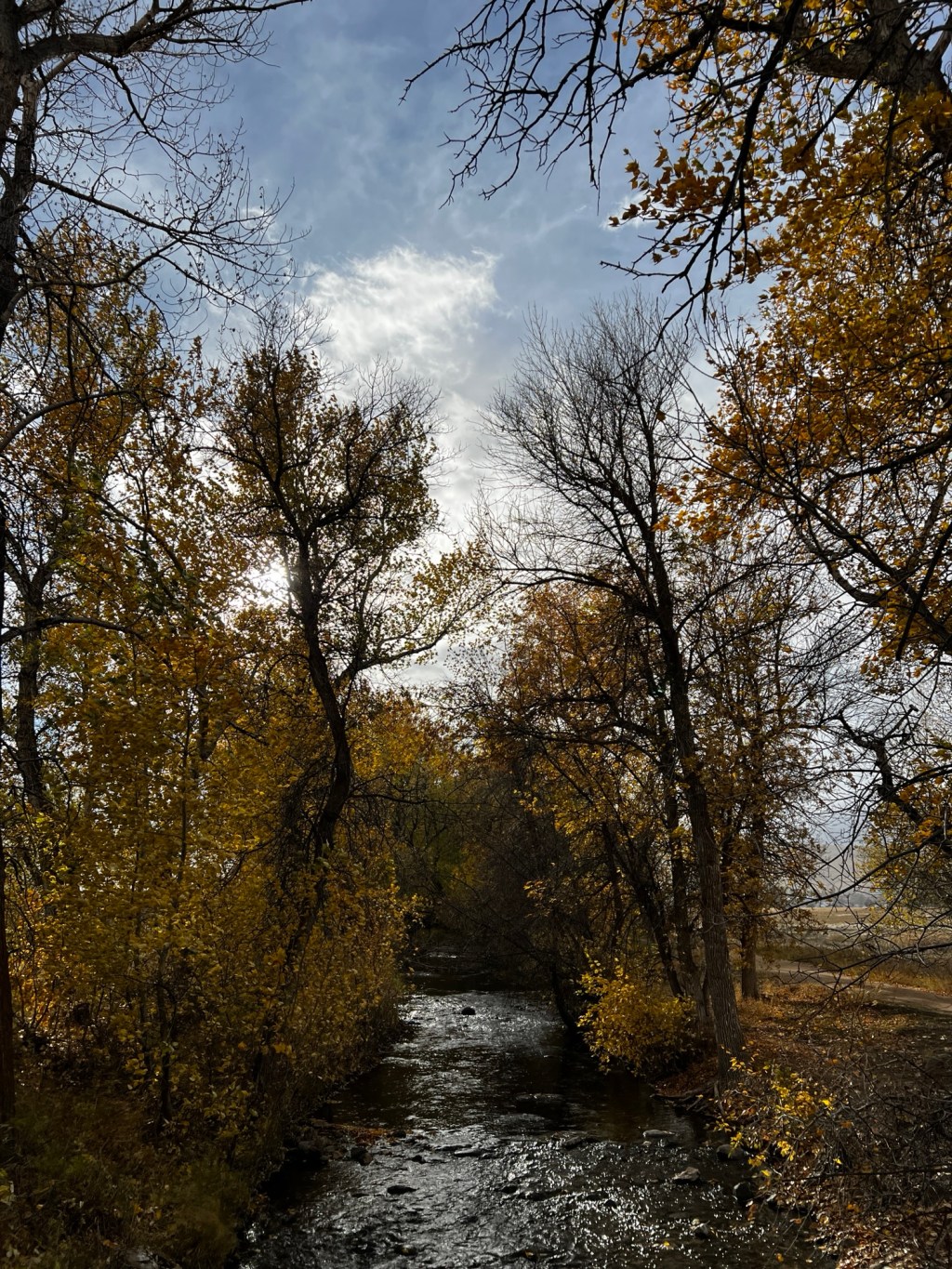
I’ve been resting my partially torn Achilles tendon for the last few weeks, so my recent gentle trail walk on the Ambrose trail was a welcome return. I noticed that there has been a lot of new work mitigating fire risk from the middle to western terminus of the Ambrose; soon that work will include slash pile burning by Parks and Rec. Seeing all this activity brought the Wildland-Urban Interface (WUI) and our incredible trail system to mind.
The WUI—that zone where development meets undeveloped wild land—is usually discussed only in terms of its wildfire risks. Framing the discussion focused only on the negative, however, overshadows the immense recreational and civic value that our WUI provides.
For Helena residents, areas like Mount Helena, Mount Ascension, Rodney Ridge, and Wakina Sky are not viewed as hazards; rather they are beloved recreational assets. Our intersection of wildlands and urban areas creates an unparalleled system of trails that offers significant benefits in accessibility, economic vitality, diverse recreation, and community stewardship.
One of the most profound benefits of Helena’s WUI trails is their proximity and accessibility. Unlike communities where wilderness access requires a lengthy drive, the Helena trail system has many trailheads virtually at residents’ doorsteps. Trails on Mount Helena and Mount Ascension flow directly to the city’s perimeter, transforming outdoor recreation – and its attendant health benefits – from an occasional weekend endeavor into a nearly constant, integrated part of our urban routine.
A 2018 study by the Institute for Tourism and Recreation research at the University of Montana, indicates a substantial majority of the 63,000 annual trail system users are local residents, with many accessing trails multiple times per week. This convenience fosters consistent physical and mental health benefits—a vital public good derived from the spending time in nature. Proximity also increases the likelihood of spontaneous use, making it easier for trail runners, hikers, and mountain bikers to integrate exercise into their busy schedules without needing specialized planning or travel time.
Beyond direct health benefits, Helena’s trail network is a powerful engine of economic vitality. The convenient access attracts residents and a significant number of tourists. The same 2018 study found the South Hills trail system generated an annual economic impact of approximately $4 million, supporting local jobs and adding crucial revenue through visitor spending.
This economic benefit is further leveraged by Helena’s designation as a “Silver Level Ride Center” by the International Mountain Biking Association (IMBA), a status built directly on the foundation of its high-quality, easily accessible WUI trails. Recreational tourism drives demand for local services, including bike and outdoor supply shops, bakeries, breweries, and restaurants. In essence, Helena’s trail system serves as a self-sustaining asset where local investment in recreational infrastructure yields measurable commercial returns, placing the South Hills trail system firmly as a pillar of our local economy.
Diverse Recreation and Stewardship
Our trail system offers a diversity of trail types to accommodate varied user groups, from the challenging singletracks of the Mount Helena Ridge trail and the old-school Powerline trail to the recently rebuilt Upper DeFord Universal Access trail and the accessible section of the Ambrose trail. This blend of more rigorous backcountry-like experiences and more accessible paths ensures that the recreational benefits of Helena’s WUI are available to nearly all ages and most mobility levels, fulfilling a broad public service mandate and making Helena perhaps the best hiking town in Montana.
Finally, the close connection between the city and the wildland fosters robust educational and stewardship opportunities. The adjacency of the interface means that areas like Mount Ascension and Mount Helena are routinely used by local school and civic groups. These areas serve as living outdoor classrooms where students can engage directly with our natural history—through wildlife watching, wildflower walks, enjoying our interesting geology, and even volunteering to help with trail maintenance.
This direct, hands-on exposure in a readily accessible setting cultivates a powerful and deeply rooted sense of environmental stewardship among our community. The Helena WUI is not just a geographical boundary; it is a shared civic amenity that strengthens local identity, promotes collaborative land management, and provides unparalleled opportunities for recreation and economic growth. The continued, careful management of this interface is critical to ensuring these irreplaceable benefits persist for future generations.
As Helenans, we should take pride in our local, recreational WUI trails and continuously work to protect them.
 Nature, every day.
Leave a Reply